Synthetic Wigs: Benefits, Limitations, and Modern Innovations
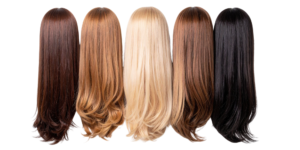
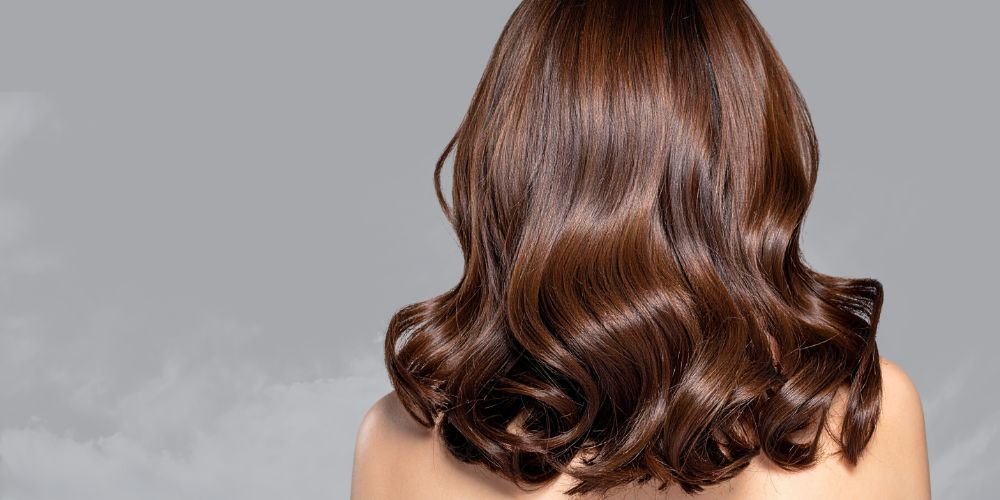
Synthetic wigs have undergone a quiet revolution. Once associated with obvious shine and limited styling options, today’s high-quality synthetic pieces are increasingly sophisticated, blending advanced fibre engineering with refined construction techniques. For many wearers, the choice is no longer simply “synthetic versus human hair”, but rather which type of synthetic wig best suits their lifestyle.
This article explores the pros and cons, while also examining the technological advancements and premium brands shaping the modern market.
What Defines a Modern Synthetic Wig?
At their core, synthetic wigs are made from engineered polymer fibres designed to replicate the look and behaviour of human hair. However, not all fibres are equal. Early acrylic fibres were often stiff and overly glossy, whereas contemporary materials—particularly modacrylic blends such as Kanekalon® and Toyokalon®—offer a far more natural appearance and tactile softness.
In fact, Kanekalon fibres are specifically engineered to mimic human hair texture, with added benefits such as flame resistance, lightweight structure, and even antimicrobial properties in some variants.
The Advantages of Synthetic Wigs
1. Effortless Styling with “Memory” Technology
One of the most significant developments is style memory. Many modern synthetic wigs are pre-styled using heat-setting techniques that allow them to retain their shape even after washing. This makes them particularly appealing for those seeking consistency without daily effort.
2. Increasingly Realistic Appearance
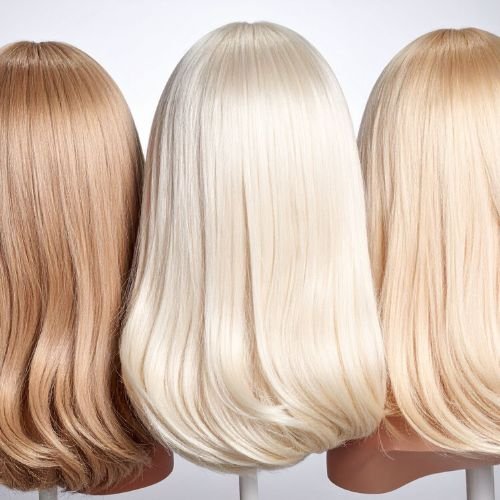
Advances in fibre composition and finishing have dramatically reduced the artificial shine once associated with synthetic hair. High-quality fibres now feature matte reflectivity, multi-tonal colouring, and improved strand movement, narrowing the visual gap between synthetic and human hair.
3. Improved Comfort and Cap Construction
Modern wigs often incorporate lace fronts, monofilament tops, and hand-tied wefts, which create the illusion of natural hair growth and improve ventilation.
This is a marked improvement over older machine-made caps, which could feel heavy or less breathable.
4. Affordability with High-End Options
While still generally more affordable than human hair wigs, synthetic options now span a wide price range. Premium synthetic wigs offer near-natural aesthetics without the substantial cost of human hair alternatives.
5. Weather and Shape Resistance
Weather resistance is another advantage worth noting. Synthetic fibres tend to withstand humidity better than natural hair, helping the wig maintain its look even in damp or rainy conditions. This can be particularly useful in climates where frizz is a common concern.
The Limitations (With Nuance)
1. Heat Sensitivity—Though Less Than Before
Traditional synthetic wigs cannot tolerate heat styling tools. However, heat-friendly fibres have emerged, allowing styling at controlled temperatures. That said, they still do not match the full flexibility of human hair and can degrade if overheated.
2. Shorter Lifespan
Even high-end synthetic wigs typically have a shorter lifespan than human-hair wigs, especially with daily wear. Fibre fatigue, tangling, and fraying remain unavoidable over time, although if the care instructions are adhered to and they are stored correctly, the lifespan can be extended.
3. Residual Artificiality
Although much improved, synthetic fibres can still appear slightly uniform or overly “perfect” under certain lighting. Subtle irregularities—common in natural hair—are harder to replicate fully.
4. Comfort and Breathability
Comfort can also vary. Some wearers find synthetic wigs less breathable than their human hair counterparts, particularly during warmer months. This may lead to discomfort if worn for extended periods.
5. Environmental and Safety Concerns
Recent scrutiny has highlighted potential issues with some synthetic hair products, including chemical exposure risks in lower-quality fibres.
This has prompted growing demand for safer, more transparent manufacturing practices.
Read about Remy Human Hair Wigs.
Key Technological Advancements
1. High-Performance Fibre Engineering
Modern synthetic wigs often use high-fibre density construction combined with refined strand diameter and elasticity. This results in better volume distribution and more natural movement.
2. Heat-Resistant and Hybrid Fibres
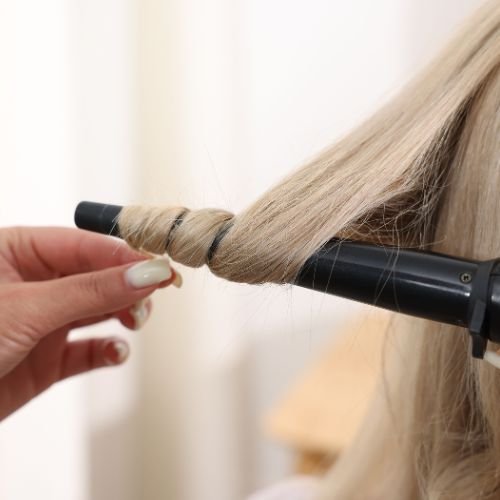
New-generation fibres can withstand moderate heat, enabling limited curling or straightening. These blends bridge the gap between convenience and versatility.
3. Specialised Functional Fibres
Innovations now include fibres that are:
- Antimicrobial (reducing odour and irritation)
- Water-repellent (faster drying and easier maintenance)
- Ultra-lightweight (enhancing comfort for long wear)
Some fibres also incorporate “hot water setting” technology, allowing curls to be reshaped without traditional heat tools.
4. Advanced Cap Design
The move towards hand-tied and lace-based constructions allows for natural parting, improved scalp realism, and greater comfort—particularly important for medical wig users.
High-End Synthetic Wig Brands
The rise of premium synthetic wigs has been driven in part by brands that specialise in realism and craftsmanship. Notable names include:
- Raquel Welch Wigs – Known for polished, fashion-forward styles and high-quality heat-friendly fibres.
- Jon Renau – Offers a wide range of synthetic and blended wigs with advanced lace front technology.
- Ellen Wille – A German brand celebrated for lightweight construction and natural density.
- Gabor Wigs – Focuses on wearable, everyday styles with refined fibre blends.
- BelleTress – Particularly recognised for ultra-soft, heat-friendly synthetic fibres with low shine.
These brands exemplify how synthetic wigs have moved firmly into the premium beauty space, offering options that prioritise realism, comfort, and innovation.
The Future of Synthetic Wigs
The trajectory of synthetic wig development suggests continued refinement rather than radical reinvention. We are likely to see:
- More sustainable and bio-based fibres
- Further improvements in heat tolerance
- Enhanced scalp realism through 3D cap construction
- Greater regulation and transparency in materials

There is also a growing movement towards safer alternatives and plant-based fibres, signalling a shift in both consumer expectations and industry responsibility.
Final Thoughts
Synthetic wigs are no longer merely a budget-friendly substitute—they are a technologically evolving category in their own right. With advances in fibre science, construction, and design, high-quality synthetic wigs now offer a compelling balance of convenience, realism, and affordability.
Synthetic wigs offer an excellent balance of affordability, convenience, and style variety. They are particularly well-suited for those seeking a low-maintenance option or looking to experiment with different looks. However, they may not be ideal for individuals who prioritise longevity, heat styling flexibility, or the most natural appearance possible.
The decision, therefore, is less about which is “better” and more about which aligns with your priorities. In today’s market, a well-chosen synthetic wig—particularly from a reputable, high-end brand—can deliver results that would have been unthinkable just a decade ago.
I personally like to have a couple of good synthetic wigs for daily wear and keep my human Remy hair wig for “good” or special occasions.