Living with Alopecia: Practical Advice, Support and Confidence Tips
Hair is often closely linked to our identity, self-expression and confidence. For many people, it is something they rarely think about until it begins to fall out. Alopecia is a condition that affects millions of people worldwide, causing partial or complete hair loss on the scalp and sometimes other parts of the body. While alopecia is not usually physically painful, its emotional and psychological impact can be significant.
Living with alopecia is a personal journey that looks different for everyone. Some people embrace their hair loss quickly, while others experience feelings of sadness, frustration or anxiety. Understanding the condition and finding the right support can make a meaningful difference in managing both the practical and emotional aspects of alopecia.
What Is Alopecia?
Alopecia is a general term used to describe hair loss. There are several different types, with the most common being alopecia areata. This autoimmune condition occurs when the body’s immune system mistakenly attacks healthy hair follicles, causing hair to fall out in patches.
Other forms of alopecia include:
- Alopecia totalis, which results in complete hair loss on the scalp.
- Alopecia universalis, which causes the loss of all body hair.
- Androgenetic alopecia, commonly known as male or female pattern baldness.
- Traction alopecia, caused by repeated tension on the hair from certain hairstyles.
The severity and progression of alopecia vary greatly from person to person. Some individuals experience temporary hair loss with regrowth, while others may live with long-term or permanent hair loss.
All About Human Hair Remy Wigs
The Emotional Impact of Hair Loss
One of the most challenging aspects of alopecia is its effect on emotional wellbeing. Society often places a strong emphasis on appearance, and hair is frequently associated with beauty, youth and health. Losing hair can therefore feel like losing a part of oneself.
Many people with alopecia report feelings of embarrassment, low self-esteem and social anxiety. Everyday situations such as attending work meetings, going to social events or even shopping can become sources of stress. Children and teenagers may face additional challenges, including bullying or feeling different from their peers.
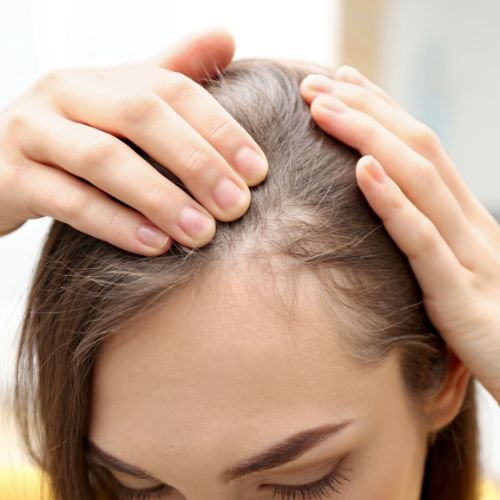
It is important to acknowledge these emotions rather than dismiss them. Hair loss can trigger a genuine grieving process, and it is perfectly natural to experience a range of feelings while adjusting to changes in appearance.
Learning to Adapt
Adapting to alopecia takes time. There is no right or wrong way to approach the condition, and every person’s experience is unique.
Some people choose to wear wigs, hairpieces, scarves or hats. Modern wigs are available in a wide range of styles and can provide a significant confidence boost. Others prefer to embrace their natural appearance and go without any form of head covering.

The key is finding what feels comfortable and authentic. What works for one person may not work for another, and personal preferences can change over time.
Many individuals find that experimenting with different looks helps them regain a sense of control. Whether it is trying a new wig, learning makeup techniques to define eyebrows or simply embracing a bald head, these choices can be empowering.
The Importance of Support
Living with alopecia can sometimes feel isolating, particularly if you do not know anyone else with the condition. Connecting with others who share similar experiences can provide reassurance and understanding.
Support groups, online communities and advocacy organisations offer safe spaces where people can share advice, celebrate successes and discuss challenges. Hearing the stories of others can help individuals realise they are not alone in their journey.
Family and friends also play a crucial role. Open conversations about alopecia can help loved ones better understand the condition and provide meaningful support. Sometimes, simply having someone listen without judgement can make a significant difference.
Managing Confidence and Self-Esteem
Building confidence while living with alopecia is often an ongoing process. Confidence does not necessarily come from changing your appearance; it often comes from changing how you view yourself.
Focusing on personal strengths, achievements and qualities beyond physical appearance can help create a healthier self-image. Taking part in hobbies, pursuing career goals and maintaining social connections all contribute to a stronger sense of self-worth.
Practising self-compassion is equally important. It is easy to become critical of yourself when dealing with visible differences, but treating yourself with the same kindness you would offer a friend can improve emotional resilience.
Some people also benefit from speaking with a counsellor or therapist, particularly if alopecia is affecting their mental health. Professional support can provide practical coping strategies and help individuals navigate difficult emotions.
Educating Others
One of the frustrations many people with alopecia encounter is misunderstanding from others. Questions, assumptions or unsolicited advice can sometimes feel intrusive.
Educating others about alopecia can help challenge misconceptions. Many people are simply unfamiliar with the condition and may not realise that hair loss can occur at any age or affect people of any gender.

Sharing information, when comfortable to do so, can promote awareness and encourage greater empathy. Increased visibility of people living with alopecia in the media and public life has also helped improve understanding and representation in recent years.
Looking Beyond Hair Loss
While alopecia affects hair, it does not define a person’s identity, abilities or value. Many people living with alopecia lead fulfilling, successful and confident lives. Over time, some individuals find that their experience strengthens their resilience, self-awareness and ability to embrace individuality.
The journey may include difficult days, but it can also lead to personal growth and a deeper appreciation of self-acceptance. Learning to separate self-worth from appearance is a powerful step towards emotional wellbeing.
Supporting Australians, Living with Alopecia
Final Thoughts
Living with alopecia has been a journey of unexpected lessons and quiet resilience. I still remember the morning I noticed thinning at the front while getting ready for work, convincing myself it was nothing to worry about. Over the following months, the thinning increased, and with it came a wave of uncertainty that made me dread every glance in the mirror.
One afternoon, however, a young child smiled at me and asked, with genuine curiosity rather than judgement, why I wore a colourful headscarf. That simple, innocent conversation reminded me that confidence often comes from how I carry myself rather than how I look. Since then, I’ve learned to embrace both the difficult days and the empowering ones, knowing that alopecia is only one part of my story, not the whole of who I am.
Living with alopecia presents unique challenges, but it also offers opportunities to redefine confidence and self-image. Whether hair loss is temporary or permanent, support, education and self-compassion can help individuals navigate the journey with greater strength and positivity.
Alopecia may change how someone looks, but it does not change who they are. By raising awareness, encouraging understanding and celebrating diversity in appearance, we can help create a world where people with alopecia feel seen, supported and empowered to live life on their own terms.