Supporting Australians Living with Alopecia Areata: Alopecia Foundations
Hair loss is often viewed as a cosmetic concern, but for many people living with alopecia areata, it is far more than that. Alopecia areata is an autoimmune condition that causes unpredictable hair loss, affecting the scalp, face, and other parts of the body. While the physical symptoms can be challenging, the emotional and psychological impact can be equally significant.
In Australia, a number of dedicated organisations and foundations work tirelessly to support individuals and families affected by alopecia areata. These groups provide education, advocacy, community connections, and practical resources that help people navigate the condition with confidence and dignity. Their efforts have transformed the lives of countless Australians, ensuring that no one has to face alopecia alone.
Understanding Alopecia Areata
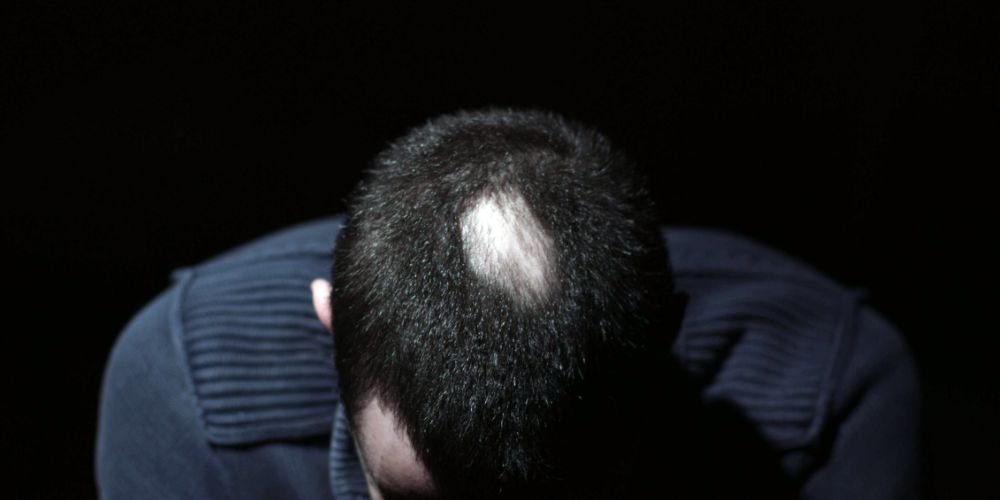
Alopecia areata occurs when the body’s immune system mistakenly attacks healthy hair follicles, leading to hair loss. The condition can affect people of all ages, genders, and ethnic backgrounds. Some individuals experience small, round patches of hair loss, while others may lose all scalp hair (alopecia totalis) or all body hair (alopecia universalis).
The exact cause of alopecia areata remains unknown, although genetics and environmental factors are believed to play a role. The condition is not contagious, and it is not caused by poor hair care practices or lifestyle choices.
One of the most challenging aspects of alopecia areata is its unpredictability. Hair may regrow naturally, only to fall out again months or years later. This uncertainty can lead to anxiety, reduced self-esteem, and social isolation, particularly among children and young adults.
The Importance of Support Organisations
Medical treatment is only one part of managing alopecia areata. Emotional support, access to reliable information, and opportunities to connect with others facing similar experiences are equally important.
Support organisations help bridge the gap between medical care and everyday living. They provide safe spaces where individuals can share experiences, learn coping strategies, and find reassurance from others who understand the unique challenges of hair loss.

In Australia, these organisations also play a crucial role in raising public awareness, reducing stigma, and advocating for improved healthcare resources and research funding.
Australia’s Leading Alopecia Support Organisation
The primary organisation dedicated to supporting Australians affected by alopecia is the Australian Alopecia Areata Foundation (AAAF).
Established to provide education, advocacy, and community support, the foundation has become a trusted source of information for people living with alopecia areata throughout the country. Its mission is to improve the quality of life of individuals affected by alopecia by promoting awareness, fostering community connections, and supporting research into better treatments and potential cures.
The foundation serves people at every stage of their alopecia journey, from those who have recently received a diagnosis to individuals who have lived with the condition for many years.
Providing Reliable Information and Education
One of the foundation’s most valuable contributions is its commitment to providing accurate and evidence-based information.
Following a diagnosis, many people turn to the internet for answers. Unfortunately, online information can sometimes be confusing, misleading, or unsupported by scientific evidence. The Australian Alopecia Areata Foundation helps address this issue by offering trusted educational resources developed in consultation with healthcare professionals and researchers.
These resources explain the different forms of alopecia, available treatment options, emerging therapies, and practical advice for managing everyday challenges associated with hair loss.
By helping people better understand the condition, the foundation empowers individuals to make informed decisions about their health and wellbeing.
Building a Supportive Community
Living with alopecia can sometimes feel isolating, particularly for individuals who do not know anyone else with the condition. Community support is therefore a cornerstone of the foundation’s work.
The organisation facilitates support groups, online communities, and social events that enable members to connect with others who share similar experiences. These networks create opportunities for friendship, encouragement, and mutual understanding.

Many individuals report that meeting others with alopecia significantly improves their confidence and emotional wellbeing. Seeing people who are thriving despite hair loss can be inspiring and reassuring, especially for those who are newly diagnosed.
For parents of children with alopecia areata, these connections can be particularly valuable. Support groups offer practical advice on topics such as school experiences, bullying, self-confidence, and emotional resilience.
Supporting Children and Young People
Children and teenagers often face unique challenges when living with alopecia areata. Hair loss during formative years can affect self-image, peer relationships, and participation in social activities.
Australian alopecia organisations recognise these challenges and have developed programmes specifically designed for younger members. These initiatives provide safe environments where children can meet peers who understand their experiences.
Youth-focused events, family gatherings, and educational workshops help foster resilience and create a sense of belonging. Parents also benefit from access to guidance and support from families facing similar circumstances.
By addressing both emotional and practical concerns, these programmes help young people develop confidence and positive self-esteem regardless of their appearance.
Medical Wig Funding in Australia
Raising Awareness and Reducing Stigma
Despite increasing public understanding of autoimmune conditions, misconceptions about alopecia remain common. Many people incorrectly assume that hair loss is caused by stress, poor health, or medical treatments such as chemotherapy.
Awareness campaigns play an essential role in correcting these misunderstandings. Australian alopecia organisations regularly engage with media outlets, schools, workplaces, and community groups to educate the public about the condition.
Awareness initiatives help create more inclusive environments where individuals with visible hair loss feel accepted and respected. They also encourage broader conversations about diversity, body image, and mental health.
Social media has become a particularly powerful tool for advocacy, allowing people with alopecia to share their stories and challenge conventional beauty standards. Through these efforts, public attitudes continue to evolve in a more positive and supportive direction.
Encouraging Research and Medical Progress
Research is critical to improving treatment options and ultimately finding a cure for alopecia areata.
Australian support organisations actively promote research initiatives by raising awareness, facilitating participation in clinical studies, and collaborating with medical professionals and research institutions.
Recent years have seen significant advances in understanding the biological mechanisms underlying alopecia areata. New therapies, including targeted immune-modulating treatments, have generated optimism within the medical community and among patients.
While no universal cure currently exists, ongoing research is expanding treatment possibilities and offering hope to individuals living with the condition.
Foundations play an important role in ensuring that patients remain informed about scientific developments and emerging therapeutic options.
Practical Resources for Everyday Living

Beyond emotional support and advocacy, alopecia organisations provide practical assistance that helps people manage day-to-day challenges.
Resources may include guidance on wigs, head coverings, cosmetic solutions, sun protection, and eyebrow or eyelash alternatives. Educational materials also address topics such as workplace disclosure, school support plans, and coping strategies for social situations.
These practical tools can make a significant difference in helping individuals feel comfortable and confident in their daily lives.
Importantly, many organisations emphasise that there is no “right” way to live with alopecia. Some people choose wigs or cosmetic enhancements, while others embrace their hair loss openly. Support services respect these individual choices and encourage personal empowerment.
Looking Ahead
The future for Australians living with alopecia areata is increasingly hopeful. Greater public awareness, expanding support networks, and advances in medical research are helping to improve outcomes for people affected by the condition.
Organisations such as the Australian Alopecia Areata Foundation continue to serve as lifelines for individuals and families navigating the challenges of hair loss. Through education, advocacy, research support, and community-building, they ensure that Australians affected by alopecia have access to the resources and encouragement they need.
Although alopecia areata can present significant emotional and practical challenges, the strength of Australia’s alopecia community demonstrates that people do not have to face those challenges alone. With continued support, awareness, and scientific progress, the future holds promise for greater understanding, improved treatments, and enhanced quality of life for everyone affected by this condition.
Conclusion
Alopecia areata is much more than a hair loss condition; it is a complex autoimmune disorder that can influence many aspects of a person’s life. Australia’s alopecia foundations and support organisations play a vital role in helping individuals manage both the physical and emotional impacts of the condition.
By providing trusted information, fostering supportive communities, advocating for awareness, and encouraging research, these organisations make a meaningful difference every day. Their work reminds us that while alopecia may affect hair, it should never define a person’s worth, potential, or identity.